
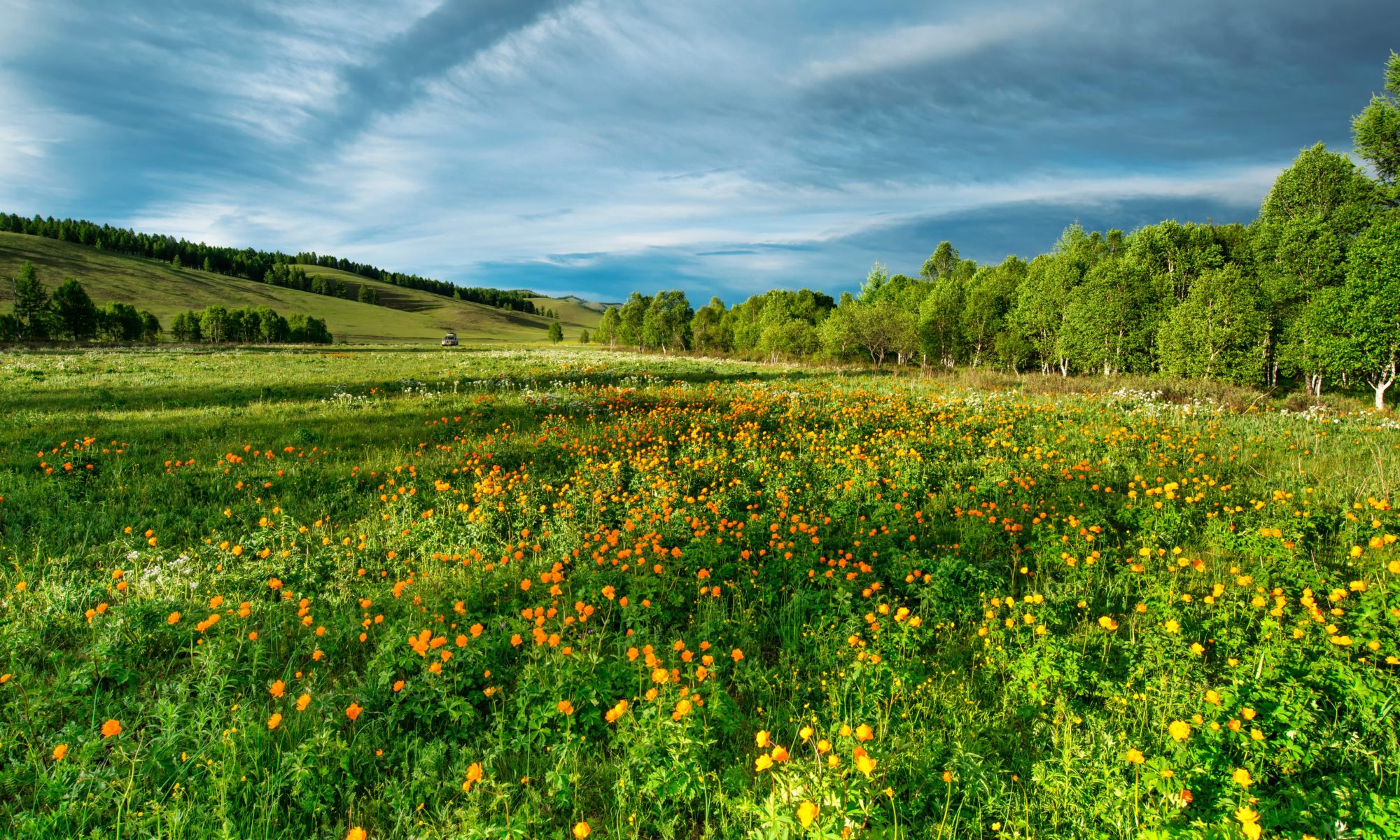
Recognizing Projection

“Projection occurs when we see an unconscious characteristic of our own in another person or object.”  From Jung: The Key Ideas by Ruth Snowden.

One of the most valuable commitments each of us can make is to try to be aware of when projection is occurring or may have occurred.  As the above quote by therapist and author Ruth Snowden says, projection involves seeing a characteristic in another person that is actually a characteristic of ourselves of which we are unaware.  Learning about psychological projection has helped me to better understand other people and to better understand myself as well.  It has helped me to be more accepting and less judgmental of people who are different from me.

Projection is an unconscious phenomenon; therefore, it’s not something we consciously cause to happen or over which we have control.  But we can become better at recognizing when it might have occurred.  One way to do that is to pay attention to those times when we feel strong emotions about a person or group of people, either positive or negative emotions.  And then to ask ourselves what might have caused that emotional reaction, what is it we’re thinking about that person or group of people and is there a factual basis for those thoughts.  Or are they instead ideas we learned as children passed on to us by parents and other authority figures, ideas that we naturally don’t question as children but should question as adults.

Projection is the basis of much that is wrong in our world.  It is the underlying cause of prejudice against people who are different from us, including differences of race, ethnicity, religious tradition, age, gender, and/or gender identity.  If more people would do the work of trying to become more conscious, far less injustice, inequity, and other forms of hurt would occur as a result of prejudice against others.  By exploring our biases and recognizing that they are based on characteristics we project onto others and neglect to see in ourselves, we live more genuine lives.  And we join with others who are doing similar inner work that is both personally beneficial and also helps to heal the divisions among people.
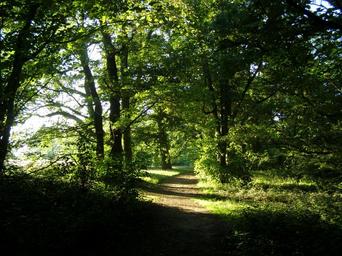

We Need Nature

“We need nature more than nature needs us. It should be looked upon with awe and humility.”

This quote is by Sadruddin Aga Kahn, who was a statesman and activist.

I recently took my first long walk outside since last fall.  I live in a northern state and in the winter I exercise inside and wait until the weather is milder to do activities outside.  As I write this, the signs of spring where I live are daylight lasting longer into the early evening and temperatures generally becoming warmer, or at least not as cold as they were a month ago.  As I walked along the trail that goes through the woods near where I live, I thought about how I enjoy watching the changes that happen each spring.  The leaves haven’t peaked out on the branches yet, but it won’t be long until the leaf buds will form and a few days later the leaves will appear.  And whereas now I can see quite a ways into the woods, before much time passes the vegetation will be too thick to see very far.  Each stage has its own beauty.

As Kahn says, we need nature.  Spending time outside connects us with nature, and we experience it with all of our senses.  We smell the fresh air and the aromas of wild flowers and new vegetation.  We see the various shades of green of the trees, bushes, vines, and grasses; the sky, with its clouds and sunrays; and the birds of many different colors and sizes, some small like the sparrows and some large like the Canadian geese.  And perhaps there is a lake or stream that is part of what we see as well.  Through our sense of touch, we feel the sun’s warmth, the breeze, the firmness of earth as we walk along.  And we hear birdsong and the leaves moving in the breeze.  Being in nature provides a welcome change from being inside, where many of us spend much of our time, be it at jobs or at home.  Being in nature re-energizes and refreshes us.

The places where I take walks, including the woods near my home, are relatively unpretentious as compared to well-known nature areas such as national parks and monuments.  Such places have spectacular scenery, majestic mountains, and many square miles of protected beauty, and I’m thankful those areas are preserved for many people to experience and appreciate.  Whether it be a well-known nature area or the woods near me or whatever outdoor spaces are near each of us, we should look on them with awe and humility, as Kahn says.  For they add much to our quality of life, often more than we realize.  We need to value and be thankful for them.

Blessed Are They That Mourn

“Blessed are they that mourn, for they shall be comforted.”  Matthew 5:4

Experiencing grief is one of the most difficult things we do during our earthly journey and it hurts deeply.  To no longer be able to be with someone we care about causes a sadness that can feel like it will never end.  In addition to the mourning we do when someone has passed away, we also mourn other losses, such as no longer being with someone who has ended a relationship with us, having a pet die, and other kinds of endings over which we do not have control.

We sometimes try to avoid the pain caused by grief.  We might tell ourselves things like that’s just how life is, we shouldn’t be sad, we should get over it and move on, etc.  And even worse, sometimes other people tell the grieving person such things when what that person needs most is someone who will be present with them, listen, and have empathy for what the person is going through.  As tempting as it is to try to avoid the emotional pain, we must not do that.  Grieving is a natural process.  It is through accepting the sadness and ache that emotional healing happens.

Although we are all unique and grieve in our own ways, with varying degrees of intensity and length of time, grief usually decreases over time.  As it does, we will begin to experience something different, such as memories of that person or pet and of how special they were, things we learned from them, and a sense of gratitude for them having been a part of our lives.  We will be comforted.