The Gift of Humility

“As long as you are proud you cannot know God. A proud man is always looking down on things and people and, of course, as long as you are looking down you cannot see something that is above you.”

This quote is by C.S. Lewis from his book Mere Christianity.  Lewis was a Christian apologist, someone who supports the teachings of Christianity with clear, understandable explanations and reasoning.  Mere Christianity, The Problem of Pain, and Miracles are three of his best known books of this type.  He is also known for his works of fiction.  These include The Chronicles of Narnia, a series of seven books generally considered to be children’s literature.  But, as is the case with much well-written children’s literature, they can be appreciated by adults as well.

Lewis’ words are an excellent reminder that one of the most important qualities we can possess is humility.

When we find ourselves thinking we are better than other people, being judgmental and critical, it is to our benefit to remind ourselves that all of our accomplishments, everything we take pride in, were only possible because our Creator gave us the ability to do whatever those things are.  Our having grown up in a family where there was nurturing and encouragement, our having lived in a part of the world where there were educational opportunities and nutritious food, where each day didn’t involve just doing what was necessary to survive, as it is for many people in our world, made it possible for us to achieve those accomplishments.

I believe our Creator takes joy in the ways we use the gifts we’ve been given—our creativity, intellectual ability, motivation, discipline, perseverance—and the many additional gifts that make it possible to do things well and that we can feel good about doing and having done.  But when we catch ourselves thinking too highly of ourselves and especially when we find ourselves thinking we’re better than others because of our accomplishments, it is essential that we remind ourselves that all of those qualities are part of who we are because our Creator made them part of us.

When we remember that, we have the wisdom expressed by Lewis’ words:  we are able see that which is above us.
Children and Healing

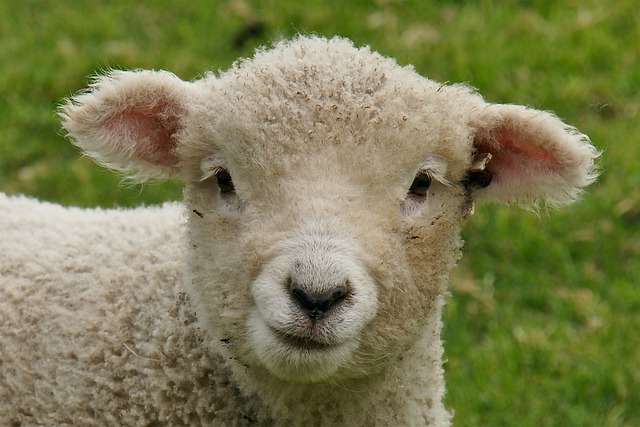
“The soul is healed by being with children.”

This quote is by Fyodor Dostoevsky, a well-known Russian novelist, essayist, and journalist who lived in the nineteenth century.

Reading Dostoevsky’s quote brought back memories of my daughter when she was a child.  I’m very thankful that I had the special gift of having a child, caring for her, and being with her during her childhood and adolescent years.  And I’m also very thankful that she is a wonderful part of my life now that she is an adult.

It’s really quite fascinating to see how children grow and change and become their unique little selves.  The first time they make eye contact, their first smile and how that smile and the many smiles that follow touch our hearts.  Before we know it, children have reached the developmental milestones of crawling, walking, talking, and many others.  They’re little miracles.

As I write this post, I’m aware of people wanting to have children but for various reasons not being able to or deciding it was better not to.  Although I refer to my experience as a parent, I also take joy in the children and grandchildren of friends, relatives, and coworkers who share photos of them and talk about how they’re doing.

One of the reasons Dostoevsky’s words resonate with me is that there is a kind of healing that accompanies our being in the present moment, and young children are perfect examples of living in the present.  It’s not until they’re older that life experiences, including modeling by parents and other adults, start to cause them to think about the past or the future.  For all of us as adults there are of course times when we must think about the future, such as for work projects or making plans for something.  And thinking about the past, especially having positive memories, can be good for us.  But when we find ourselves always or almost always thinking about what’s next instead of appreciating the present moment, our enjoyment of life is diminished.  And when we dwell on the past, including sad memories, mistakes we made, or regrets, it’s important for our emotional well-being to remind ourselves to focus on what is happening now instead, what we can do that is helpful for others and for ourselves, and in general using the gifts we’ve been given in ways that matter.

Another reason Dostoevsky’s words are meaningful to me is that in Jungian dream interpretation a baby appearing in a dream can symbolize new life, a new beginning, and being open to transformation.  Our dreams are one of the ways we are given information from our unconscious which can then be integrated into our consciousness, and to receive the message symbolized by a baby is certainly positive and hopeful and part of our soul work.

All of our souls need healing from time to time.  Experiencing the joy of being among children can be part of that healing.

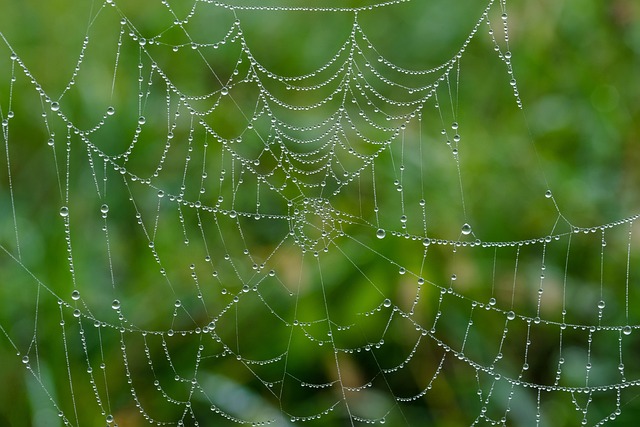
The Web of Life

“Humankind has not woven the web of life.  We are but one strand within it.  Whatever we do to the web, we do to ourselves.  All things are bound together.  All things connected.”

These beautiful words were spoken by Chief Seattle.  He was chief of the Suquamish and Duwamish Indians in the Pacific Northwest in the mid-1800s. His words are especially meaningful to those of us who recognize the beauty and healthfulness of nature—be it majestic mountains with forests, streams, and waterfalls, or a single flower in our backyard.

Chief Seattle’s words were spoken years before scientific studies confirmed that human activities have resulted in global warming and in the many adverse effects global warming has had and continues to have.  When gasoline powered vehicles were invented, there was no idea that emissions from vehicles would in the future make up a large part of the causes of devastating weather events.  Such information was also not available about the use of coal or the emissions from manufacturing plants and airplanes when they were first used or invented.  And yet Chief Seattle’s words “Whatever we do to the web, we do to ourselves” have certainly proved to be prophetic.

It’s concerning, to put it mildly, that so many people do not believe the research results that prove that global warming exists.  It’s especially concerning when those who don’t believe them are politicians who refuse to pass legislation to improve the situation, and who, in their ignorance, choose to end protections that previously had been put in place to help protect our environment and the people who will potentially be seriously harmed or killed by severe storms, wildfires, flooding, and drought.  And who, by choosing not to accept science-based facts, ignore the wellbeing of future generations who will inherit these problems.

Although the scope of the problems can feel overwhelming, there are positive things happening.  I’m impressed by and thankful for the researchers who study ways to capture carbon, to decrease the release of greenhouse gases, to produce goods in ways that result in less waste, and who in other ways are working toward decreasing the causes of global warming.

But we must not expect others to take care of it without doing our part.  It’s essential that each of us do what we can to help:  recycle, use mass transit if available, reduce driving and flying when possible, and be mindful of not wasting water or other resources.

Each one of us is a part of the web of life.  We are all interconnected, all part of a larger interdependent system.   We all need to do our part to care for our planet and for those who presently live here and for those who will live here when our earthly journey is completed.

The Gift of Life 

“Waking up this morning, I smile.  Twenty-four brand new hours are before me.  I vow to live fully in each moment.”

This quote is by Thich Nhat Hanh.  He was a Vietnamese Buddhist monk, peace activist, author, poet, and teacher.

Thich Nhat Hanh’s words express enthusiasm and gratitude for the gift of life.  For the gift that each day is and for the potential all of us have for living each day fully.  Because we are all unique persons on our individual life journeys, that which comprises our living each day fully will also be unique for each of us.

We all have responsibilities, concerns, priorities, and hopes.  No matter what those are, it can help us when we start each day by being thankful for that day and by expressing our gratitude to our Creator.

It’s natural to have times when we feel sad or overburdened because of whatever is going on in our lives.  It’s also natural to have times of happiness and peacefulness.  Again, expressing gratitude helps us to approach what we need to do no matter how we’re feeling.  Doing so reminds us of the abilities and inner strength we have, and being mindful of those can enable us to be motivated as we go about our day.

In addition to being thankful, we are better able to live fully in each moment when we try to follow the guidance of our inner voice or, to use Jungian terminology, when our ego is in alignment with the Self.  Some ways that help us to hear and to follow that guidance are paying attention to our intuition and to our dreams, noticing when projection might have occurred and what it is telling us about ourselves, endeavoring to ascertain the significance of unexpected happenings, and praying for guidance.

My prayer for all of us is that we will do our best to live each day fully.