
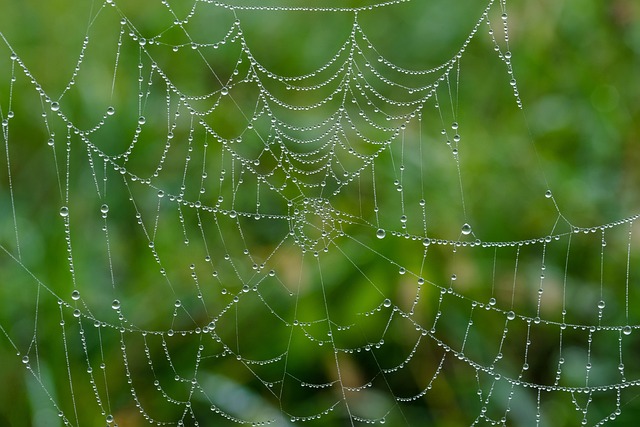
“Humankind has not woven the web of life. We are but one strand within it. Whatever we do to the web, we do to ourselves. All things are bound together. All things connected.”
These beautiful words were spoken by Chief Seattle. He was chief of the Suquamish and Duwamish Indians in the Pacific Northwest in the mid-1800s. His words are especially meaningful to those of us who recognize the beauty and healthfulness of nature—be it majestic mountains with forests, streams, and waterfalls, or a single flower in our backyard.
Chief Seattle’s words were spoken years before scientific studies confirmed that human activities have resulted in global warming and in the many adverse effects global warming has had and continues to have. When gasoline powered vehicles were invented, there was no idea that emissions from vehicles would in the future make up a large part of the causes of devastating weather events. Such information was also not available about the use of coal or the emissions from manufacturing plants and airplanes when they were first used or invented. And yet Chief Seattle’s words “Whatever we do to the web, we do to ourselves” have certainly proved to be prophetic.
It’s concerning, to put it mildly, that so many people do not believe the research results that prove that global warming exists. It’s especially concerning when those who don’t believe them are politicians who refuse to pass legislation to improve the situation, and who, in their ignorance, choose to end protections that previously had been put in place to help protect our environment and the people who will potentially be seriously harmed or killed by severe storms, wildfires, flooding, and drought. And who, by choosing not to accept science-based facts, ignore the wellbeing of future generations who will inherit these problems.
Although the scope of the problems can feel overwhelming, there are positive things happening. I’m impressed by and thankful for the researchers who study ways to capture carbon, to decrease the release of greenhouse gases, to produce goods in ways that result in less waste, and who in other ways are working toward decreasing the causes of global warming.
But we must not expect others to take care of it without doing our part. It’s essential that each of us do what we can to help: recycle, use mass transit if available, reduce driving and flying when possible, and be mindful of not wasting water or other resources.
Each one of us is a part of the web of life. We are all interconnected, all part of a larger interdependent system. We all need to do our part to care for our planet and for those who presently live here and for those who will live here when our earthly journey is completed.