Reading Books

“I cannot remember the books I’ve read any more than the meals I have eaten; even so, they have made me.”

This quote is by Ralph Waldo Emerson.  Emerson was an American essayist, lecturer, philosopher, minister, abolitionist, and poet who lived in the 1800s.

Emerson’s quote caught my attention because of his choice of words that books have made him.  It’s a unique and effective way of underscoring the importance of reading books and also of choosing which books we read.  For what we read does become a part of who we are—a part of our lived experience. 

For many of us, it can be a challenge to find time to read because of being busy with other responsibilities and priorities.  This can be especially true for working parents who want to spend time with their children when the family is all together, something which is very important for their children as well as for the parents.  It’s also true for the many adults who need to have more than one job in order to earn enough money to pay for basic expenses.

When Emerson wrote the words I’ve quoted, there were far fewer options for ways to spend free time than there are today.  The arrival of television in homes in the late 1940s and early 1950s and more and more people getting into the pattern of watching it took away from reading time.  And for a number of years now PCs, laptops, smart phones, and other electronic devices have made viewing many types of content and playing games readily available, activities that have also decreased or replaced reading books.  Studies have shown that the percentage of the population who read books for enjoyment has noticeably decreased and continues to decrease.

I’m not suggesting that the technological advances that have made much available to us should not be part of how we spend our time.  I do believe (as do many others), however, that it’s important for our well-being to add reading to what we do.  For, depending on what we read, it can add much to how we view our world, it can strengthen our ability to be empathic toward and accepting of others, it can increase our knowledge about past and recent events from which we can learn, and in many other ways reading adds in valuable ways to our lives.  Even reading just a couple pages a day can make a difference.  And for those who have children, reading to them benefits both the children and the parents and can be a special time of togetherness.

I encourage everyone who is not already doing so to add reading books to what you do.  And to experience the many benefits that reading makes possible.

Being Thankful

I recently visited my daughter, son-in-law, and three-year-old grandson.  It was a lovely summer day.  The sky was blue with some wispy white clouds, it was around 70 degrees, and there was a breeze.  A perfect day to be outside.

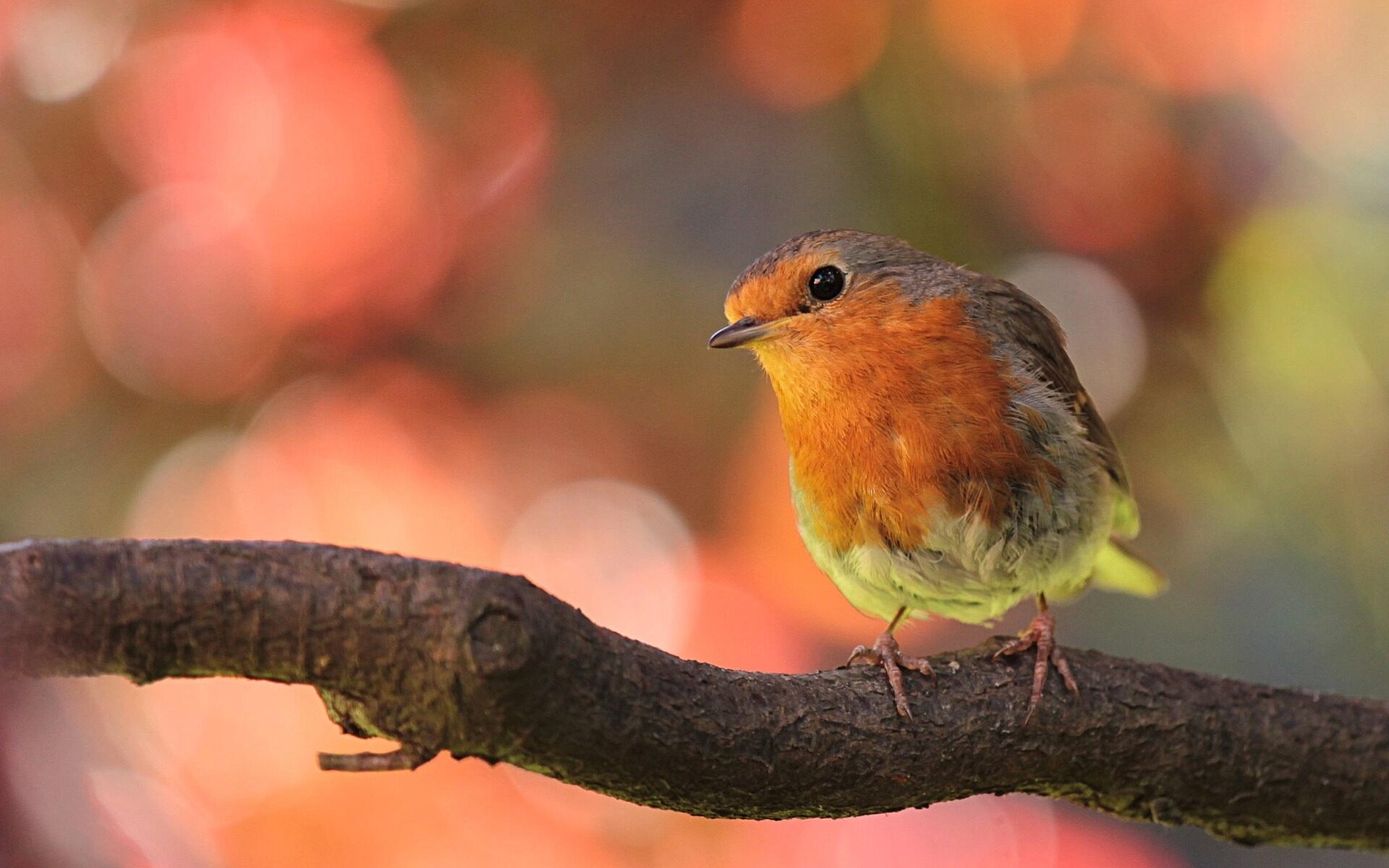
While my grandson was taking a nap, I took a brisk walk on the trails in the large park near where they live.  The park has grassy areas, many trees and bushes, and a lake where I saw ducks and geese swimming.  I enjoyed listening to the sounds they made as well as to the birdsong of the many other smaller birds flying about.

My walk in the park reminded me of the many things for which I am thankful.  Being among the trees and other vegetation that are not only pretty to look at but that also produce oxygen that is essential to life, having the ability to walk at a pace that contributes to my health and is refreshing, having the time to take a break from life’s obligations, feeling at peace as I walked along, and just in general being able to take in the loveliness of the day.

After my walk I again spent time with my daughter, son-in-law, and grandson, and I was reminded of additional things for which I am thankful.  For the caring, fun, and supportive relationship we have with each other, for the many enjoyable visits we have, for being able to watch my grandson as he grows and adds to what he’s able to do, and for loving them and for being loved by them.

It can be easy to take such blessings for granted.  But we must be watchful that we don’t and that instead we take a moment each day to thank our Creator for the special people in our lives, for positive experiences, and for the many other gifts we’ve been given.

Music Refreshes the Soul

“Music washes away from the soul the dust of everyday life.”

This quote is by Berthold Auerbach, who was a German poet and writer who lived in the 1800s.

One of my friends and I have season tickets to the performances of a musical group based in Minneapolis, Minnesota, called Cantus.  There are eight men vocalists who make up the group, and they are both very talented in their singing ability and also have a stage presence that adds to the excellence of their programs.  They often sing a capella but sometimes they have instrumentalists accompany them, and they too are very talented.  My friend and I went to one of their performances recently, which reminded me once again of how special music is in our world.  That specialness is reflected in Auerbach’s words.

Whenever I’ve gone to a live performance, whether it was musicians singing or musicians playing instruments, I’ve been impressed by and appreciative of the performers.  They have worked hard to develop their skills, from the music lessons that for most of them started when they were young children to the many rehearsals they do to prepare for each performance.  At today’s program and at others I’ve gone to, the applause of the people in the audience made it clear that they were appreciative as well.  For them and for my friend and for me, it was an hour and a half mini-vacation from our everyday lives.

And of course it’s not just the music performed by professional musicians that is special.  There are many celebrations by various cultures where music is central to those celebrations, and they often include dancing and the performers wearing colorful traditional costumes.  Also, most elementary schools and high schools have choral, band, and/or orchestra concerts that students present that are very enjoyable.  And how fun it is to hear little children sing just for the joy of it.  Recently, my three-year-old grandson entertained me with his rendition of “Twinkle Twinkle Little Star.”

We are also fortunate that music of all genres is readily available to us from many sources, including our smart phones.

I’m thankful for many things, including for the gift of music in our world.

Lasting Learning

“Tell me and I forget, teach me and I may remember, involve me and I learn.”

This quote is by Benjamin Franklin, an American writer, scientist, inventor, statesman, diplomat, printer, and publisher who lived from 1706 to 1790.

I came across Franklin’s quote when I was reading about raising and nurturing children.  Although part of parenting needs to include telling children things and teaching them, I agree with Franklin that spending time and doing activities together is where much lasting and quality learning takes place.  Talking with children, listening to them as they share their thoughts and ideas, doing activities together, and when possible being open to them choosing the activity are all impactful.  They show children that we value being with them and that they are loved.  Being valued and loved are vital both for children and for adults too.

There are many ways to involve children.  I have friends who take their grandchildren on outings, such as going to the zoo, attending children’s theater plays, or spending time at the park and having a picnic.  I know parents who include their children in preparing meals, doing household tasks, and gardening, doing these activities together in a fun way.  Putting together puzzles, drawing, and playing catch in the backyard are more of the many ways to enjoy interacting with children.  And of course reading to young children, and reading with older children, is a special form of togetherness and also has the benefit of making it more likely children will continue to have an interest in reading when they are adults.

As I write this, I know there are parents who are busy and who don’t have the amount of time they would like to have with their children.  This is especially true for those who must have more than one job in order to have sufficient income for basic needs and for those who have other essential commitments that are time-consuming.  That’s where it’s important to do our best to make the time we do have with children quality time, and quality time by definition refers to interaction and involvement. 

Some parents are in the habit of letting their children watch TV or look at cell phones or other electronic devices so that the parents can do other things.  Research has shown that it’s harmful for children to have a lot of screen time and that it’s essential for their well-being to limit it.  This applies to adults as well, especially when their own habit of looking at their cell phone or TV takes away from spending time with their children.

Benjamin Franklin is known for having been a man of intelligence and innovative ideas, and for being knowledgeable about numerous subjects, as shown by the many types of work he did.  His words that I’ve quoted show he was also a man of wisdom.  All of us would do well to benefit from his wisdom by keeping his words in mind.  Doing so will enrich our children’s lives as well as our own.

The Earth Laughs in Flowers

“The earth laughs in flowers.”

This quote is by Ralph Waldo Emerson, an American essayist, lecturer, philosopher, minister, abolitionist, and poet who lived in the 1800s.

Because I’m writing this in February and I live in Minnesota, it will be a couple more months before the spring flowers begin to bloom.  And yet each year around this time I start looking forward to seeing them, and I loved Emerson’s quote about flowers when I came across it.  For flowers, with their various colors, shapes, and sizes, do add a kind of joy to our world, and laughter and joy often go hand in hand.

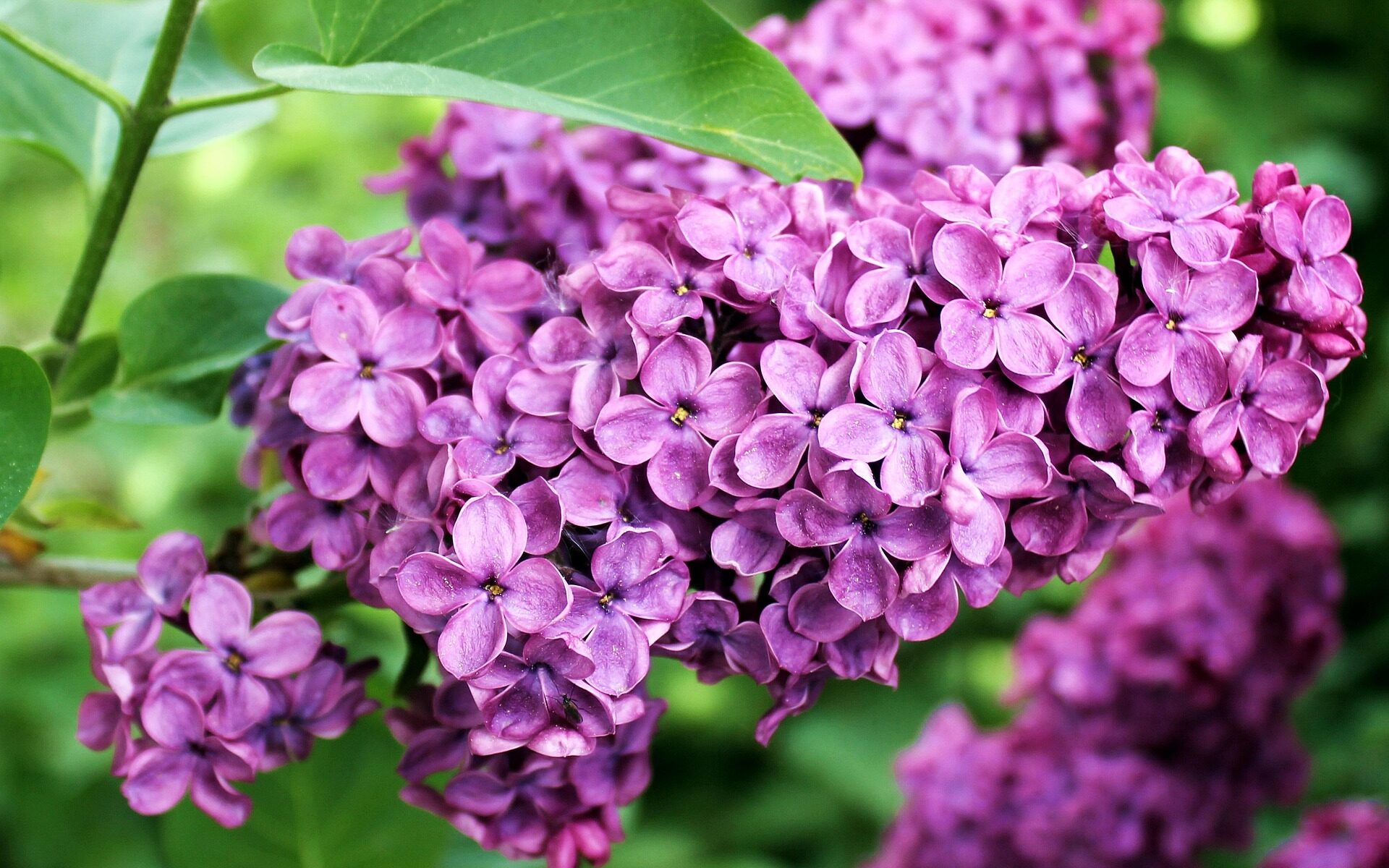
Perennials begin blooming at different times throughout the growing season and they vary in how long they continue budding.  Tulips and lilacs are two of the earliest to arrive where I live.  But whenever any flowers arrive and for whatever the length of time they bloom, it’s special to see them.  There are also many types of annual flowers that can be planted each spring that continue to bloom all summer.  Some annuals are marigolds, zinnias and petunias.  We also get to see wild flowers at nature areas and in the countryside.  And of course there are indoor flowering plants that add beauty to our lives that we can also appreciate and that add a touch of nature within our homes.

When I find myself looking forward to the arrival of the spring flowers, I’m also reminded of the other signs that spring is coming–the longer lengths of daylight, milder temperatures (although that varies a lot this time of year), and migrating birds returning.  Yesterday I saw about 20 Canadian Geese flying in a V-formation as they returned from having migrated south last fall.

Enjoying the beauty of flowers is yet another way of appreciating the many gifts in our lives.

God Is the Friend of Silence

“God is the friend of silence. See how nature – trees, flowers, grass – grows in silence; see the stars, the moon and the sun, how they move in silence… We need silence to be able to touch souls.”

When I first read these words of Mother Teresa, I thought about how in our modern world it can be difficult for many of us to find times of silence.  The fast pace, the ever present to-do list, the many types of distractions, the societal pressure to “not miss out” on this or that all decrease a person’s ability to find times of quiet.  It requires us to make an effort to have moments of silence, and we need those moments so that we can talk to our Creator and so that we can pray.

Prayer takes many forms:  asking our Creator to help people we know and ourselves during difficult times, saying prayers composed by others such as those we learned in religion classes and church services, praying for those who are on their next journeys, saying prayers of thanksgiving, praying for all the people in the world, praying that God’s will be done.  No matter how we pray, we need to step away from the busyness of our lives and set aside some time to do so.

Mother Teresa’s words are also meaningful to me in the way she speaks of God being the friend of silence and then refers to the silence of aspects of nature.  We human beings have an innate connection to nature—to its beauty and healthfulness as well as to its silence.  Often being in nature helps us to feel closer to the Divine, as does looking upward and seeing the stars and the moon, the sunrises and sunsets.

Our Creator created each of us as a unique human being with our own path to follow.  Sometimes being unique can be uncomfortable, including when we choose not to give in to societal pressures to do the “popular” things, to not miss out.  It can be hard when people distance themselves from us because they don’t recognize the importance of following one’s own path.

It’s essential to try our best to follow our paths that we have discerned through inner work, and that includes prioritizing times of silence in order to care for our souls.

Miracles

“There are only two ways to live your life.  One is as though nothing is a miracle.  The other is as though everything is a miracle.”

This quote is by physicist Albert Einstein, a man who is well known for his many discoveries in physics and related fields.  I’ve found that he was also a man who had an appreciation for the intangible aspects of life, an example of which is the quotation I’ve chosen for this post.

When I first read Einstein’s words, one thought that came to mind was how lacking life would be for someone who doesn’t see anything as a miracle.  I also thought about how being able to see the miraculous in life is something for which we should be thankful, for doing so adds meaning to our lives.

These are some of the miracles for which I am thankful:

The miracle of the beauty of nature around me, even though I live in an urban area:  the trees, flowers, and other vegetation; the sky and sun and clouds.

The miracle of having had the experience of raising and loving my child who is an adult now and also of her, her husband, and their child being a special part of my life.

The miracle of “help from the universe”—those times when unexpected opportunities or changes or assistance occurred in my life.  Happenings that I did not cause to happen but that did, and that helped me on my earthly journey.

The miracle of love, both of my having love for others and for my being loved by others.

This is just the beginning of a long list of miracles that I have experienced and for which I thank our Creator.  We all have miracles in our lives, and our earthly journies are enriched when we see them and are grateful for them.

Learning from Life Experiences 

“God allows us to experience the low points of life in order to teach us lessons that we could learn in no other way.”

This quote by British scholar and author C.S. Lewis is yet another way to express the presence of God in our lives and also the truth that life naturally includes times of difficulty.  And that it’s essential to remember that those times of difficulty have the purpose of teaching us vital lessons.

Being in my older years, I have had many experiences.  They include being with and assisting my elderly parents in their last years and witnessing their abilities diminish, feeling the loss of a sibling who chose to estrange herself from me, having feelings of deep disappointment when things did not work out as I’d hoped they would, and missing loved ones who passed away.  As is the case with most people, I’ve also had many pleasant experiences, times when things worked out as I hoped they would, and loving relationships.  I’ve also been blessed with having a sense of purpose and meaning in my life, thanks in large part to learning about the concepts of Jungian psychology.

Even though I definitely agree with Lewis’ words, when life presents me with a challenge I still need to remind myself that difficult experiences have a purpose.  And that our Creator has given all of us the abilities that help us to go through whatever the experience is and to learn from it.  To broaden that idea a bit more, our dealing with life’s low points helps us to grow in consciousness, to have empathy and compassion for others when they are dealing with challenges, and to make positive changes.

An example from my life is when I was a victim of a carjacking and purse stealing incident a few years ago.  It was unexpected because it happened in a residential neighborhood in the early afternoon on a Sunday as I was getting out of my car to visit friends.  I say unexpected because it seemed to me that such a crime was more likely to happen when it was dark and in an area where crime was more common.  Even though it was frightening, caused a lot of inconvenience, and caused me to feel a sense of loss, with the help of my adult daughter, I made the calls to the police, my insurance company, the credit card company, etc., and I stayed with her a couple of days.  Thankfully, I was not injured and the car was found two days later after it had been abandoned.  My purse and its contents were never recovered.

Some things I learned from the incident are that I can go through an unexpected and frightening experience and be OK.  I also learned (once again) that my daughter and I have a special relationship for which I’m very thankful, and I’ve found that the experience has helped me to have more empathy for other people who are victims of crime and other hurtful situations.

I believe I also grew in faith because it was as if our Creator helped me after it happened—worked through my daughter to give me the assistance she did and helped me to feel minimal trauma.  In fact, just a few weeks earlier I’d completed reading an excellent book about trauma and what I had read helped me.

We all should be thankful for the many positive aspects of our lives.  And when difficult or challenging times arrive, to remind ourselves of Lewis’ words.  They will help us take the steps we need to take.

Books as Friends, Counselors, Teachers

“Books are the quietest and most constant of friends, they are the most accessible and wisest of counselors, and the most patient of teachers.”

This quote is by Charles W. Eliot. He was an American academic who lived from 1834 to 1926, and he was the President of Harvard University for 40 years.

Mr. Eliot’s words caught my attention because of the way he compared books to living beings—friends, counselors, and teachers.  And, although I hadn’t previously thought of books in that way, his descriptions of them are certainly fitting.

Reading a book can be a type of companion or friend in that the words of the authors are present with us during the time we are reading.  And for those books that especially resonate with us, aspects of that which we read remain with us and come to mind from time to time as well.

Counselors, whether mental health counselors, legal counselors, financial counselors, or other types of counselors, are sought out because of their education, expertise, and experience in their fields.  When we meet with counselors, we gain from their wisdom and knowledge.  Similarly, when we read well-written books, we gain wisdom and knowledge.  There are nonfiction books about thousands of topics as well as fiction books with many different themes and focuses.  Through reading, we learn about various aspects of life—and there’s always more that we can learn.

Books teach us about myriad topics.  No matter what our interests are, there are books about them.  Just as we learned a great deal as students during our childhood and our young adult years, we can be lifetime learners by reading.  And in the same way that many teachers had a positive effect on our lives, the writing of many authors has that potential as well.

It’s concerning that after completing high school or college, many people don’t read books, or read very little.  They read what was required for the courses they took, but upon graduation they no longer make time for personal reading.  I realize that many people are busy with raising families, working, sometimes working more than one job, and so on.  I did less personal reading when I was raising my daughter and working full-time.  I’m speaking more about people who do have free time but don’t use any of it to read.  It’s concerning because reading helps to broaden our knowledge about many aspects of life, and it can help us to be more empathic toward others, to have creative ideas, to make positive changes, and to enrich our lives.

So, for the reasons Eliot says, I encourage you to add reading books to what you do if you are not already doing so.  Even a few minutes a day will make a difference.  And for parents, I encourage you to read to and with your children—both for their sake and because many children’s books speak to adults as well.

Music Is an Outburst of the Soul

“Music is an outburst of the soul.”

This quote is by Frederick Delius, an English composer who lived from 1862 to 1934.

Recently I had the special experience of going to a performance by the National Lutheran Choir. Some of the pieces sung by the 80-plus singers were accompanied by a pianist and some by an organist.  There was a variety of songs, some traditional and some created by contemporary composers.  The talent and preparation by the singers and accompanists, the choices of music by the artistic director, and her directing ability all came together to create “an outburst of the soul.”

Each of us has preferences for the types of music that appeal to us.  And there is much to choose from.  Jazz, rock, country, and classical, to name a few.  I’m impressed by the many talented and skilled musicians and vocalists who bring music to life.  I’m also impressed by the many creative composers and song writers.  We’re fortunate when we are able to attend concerts in person, and we’re also fortunate that we live in a time when high quality recorded music is readily available from many sources.

Listening to music is not only pleasant in general, it can also help us when we’re feeling down or anxious.  Many people listen to music to help them cope with difficult emotions, for music has a healing quality.  Singing along with the music we’re listening to can also lift our spirits. On my drive home from the concert, I found myself feeling light-hearted and grateful.

I’m thankful for the many gifts of the universe, including the gift of music.