
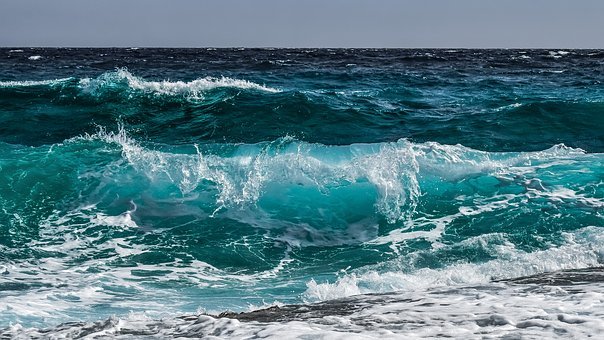
“We do not inherit the earth from our ancestors. We borrow it from our children.” -Native American proverb
I recently read the book The Story of More by Hope Jahren. Dr. Jahren is a geochemist and geobiologist who has received many awards for her work and findings in these fields. In The Story of More she writes about climate change, the various causes of climate change, the serious problems that it has caused and continues to cause, and actions that can be taken to decrease those serious problems. Jahren did considerable research to support the facts she presents in her book. She also has an engaging and down-to-earth writing style and presents information in a clear, understandable way.
The consequences of climate change have caused much suffering and, if it isn’t taken more seriously by manufacturers, corporations, and government officials who make policy decisions, as well as by each one of us, climate change will continue to cause suffering. Suffering resulting from more damaging storms and wildfires, reduced land mass in some areas due to rising oceans as a result of melting ice fields and glaciers, temperature changes in the oceans which affect marine life, drought in many areas, and much more. All of these changes cause harm to human beings and also to animals and other creatures in our world.
The author points out that those of us who live in the countries where the most natural resources are, and therefore who have the highest standards of living, produce the most carbon dioxide, which is the primary cause of climate change. She also points out that a smaller percentage of people in those countries are negatively impacted by the effects of climate change as compared to many people in other parts of the world. It is the people who live in poor countries, often in very crowded conditions, who are most adversely affected.
By choosing to take action to decrease the harmful effects of climate change, we help to decrease the suffering of others. We also make our world healthier and safer for those who will live here after us. That is why the quotation I chose for this post is fitting. We have a responsibility to our children, grandchildren, and generations beyond theirs to make efforts to improve this situation.
And there is reason to believe improvements can be made. For in addition to the information Jahren presents, she also gives reasons to be hopeful. Although it is vital that the corporations and manufacturers make changes, Jahren identifies many actions that each of us as individuals can take to help as well: we can be thoughtful about our food choices, avoid purchasing items that have excessive packaging, use mass transit if available, drive fuel-efficient vehicles, set our thermostats a few degrees cooler in the winter, recycle, use reusable bags when shopping, and research which companies are taking steps to be more ecologically responsible and buy products and services from them. There are many websites that outline these and additional ideas. And the more of us who take these and other actions, the greater will be the results.
It takes effort to make changes. As we endeavor to change habits and to live in a more ecologically responsible way, perhaps it will help to remember the quotation I’ve cited. Instead of thinking of the resources we presently have access to as “ours,” we can remind ourselves that they are resources that belong to future generations as well. And that we are borrowing them for now and will be good caretakers of them for others.