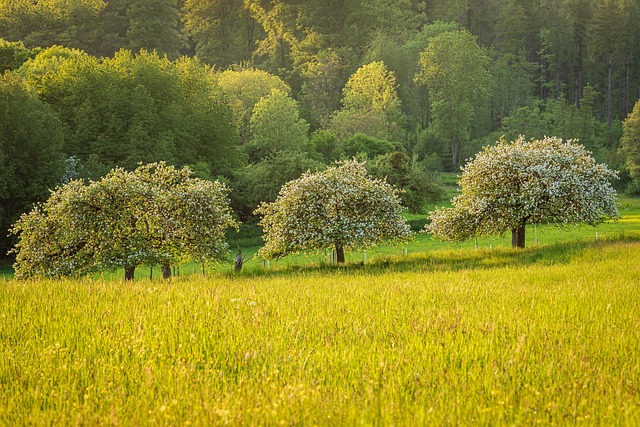
Nature Around Us

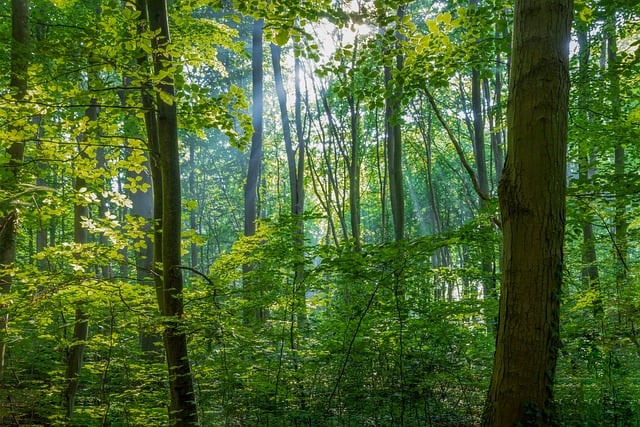
“Time spent amongst trees is never wasted time.”

This quote is by Katrina Mayer, who is a speaker, workshop leader, and author.

We human beings are connected to nature.  This truth has been expressed in various ways by many people, and I’m drawn to Katrina Mayer’s way of expressing it in her quote.

For those of us who live in urban areas, it’s wonderful when we are able to leave the city or suburbs and spend time in the countryside; to get away from the bustle of the city and the sound of traffic and to take in the beauty of nature and the fresh air.

But for those of us who are not able to do that very often, and also for those who are, we are still close to nature every day.  Every tree and bush, the sky above, the squirrels and rabbits and birds we see in the city are also aspects of nature that enrich our lives.  Thankfully, many urban areas have parks and nature trails, and I’m impressed by the urban planners who prioritize having trees and other vegetation along highways and streets.  There are trees along the sidewalk where I walk to and from the bus stop that add beauty to my walk.

I was reminded recently of our connection to nature by my little grandson who is a toddler.  When he and I went to a nearby park, he went from tree to tree—sometimes just feeling the texture of the bark and other times putting his arms around the trunk as if he was hugging it.  When we were with his parents later, I asked if they had seen him do that other times and they said yes.  They said that it was something he had started doing on his own, not something he had seen others do and was copying.  It was special for me to see—and very cute!

Many of us have busy lives with many commitments.  But try to notice and to enjoy the nature around you.  As Mayer says, try to spend some time among trees.  It will refresh your soul.
Everything in Life Has Purpose

“Learn to get in touch with the silence within yourself, and know that everything in life has purpose.  There are no mistakes, no coincidences, all events are blessings given to us to learn from.”

This quote is by Elisabeth Kübler-Ross, who was a psychiatrist, instructor, and author.  She is known for her studies and writings about near-death experiences, stages of grief, and her pioneering work to improve the lives of people who were terminally ill.  This work included her insights about hospice and palliative care and about treating people who were dying with dignity.  She wrote several books, the best known being On Death and Dying.

Dr. Kübler-Ross’ words “all events are blessings given to us to learn from” are a reminder that every day there are opportunities to add to our knowledge, including our self-knowledge, opportunities for which we need to be grateful.  As we go about each day, we learn from, among other things, our interactions with others and from unexpected happenings.  Sometimes those interactions and those happenings are enjoyable and therefore we welcome them.  At other times they can be difficult.  It takes an effort to feel grateful when we must deal with challenges and hardships, for our egos want to be “in control” and to avoid anything we dislike.  It is helpful to remind ourselves during those times that often it is only later, after the difficult period has passed, that we recognize how we gained from the experience.  Perhaps we will see that we put others before ourselves, had courage and/or perseverance and/or patience, were able to problem solve better than we thought we could, and in other ways learned about ourselves because of how we approached the difficulty.

As Kübler-Ross says, we learn from many aspects of life.  An example from my life is what I learned when I helped to care for my elderly mother when she needed to live at an assisted living residence during the last few years of her life.  My mother was fortunate that she had been able to live in her home until she was in her mid-90s.  Although she understood the need to have the assistance of caregivers when her ability to care for herself changed, it was still a difficult transition for her.  It was a priority of mine to spend time with her often, first of all because I loved her and also to give her companionship and to help her feel secure in knowing I would help her in any way I could.

Many adult children of elderly parents do as I did to be present with and assist their parents.  Through this experience, we learn that we are able to be generous with our time instead of thinking only for our needs and wants.  We also grow in empathy sensing the emotions our parents are feeling as the abilities they had when they were younger decrease, and we grow in patience, such as when we walk slowly down the hall with them to be sure they get that exercise.  And when our parents pass away, we have the gift of knowing we helped to make the last years of their earthly journey nicer for them.

The time spent with my mother also gave me practical knowledge about assisted living programs and what to expect if I need to live at one when I’m older.  The experience also has helped to motivate me to do what I can to maintain my health as long as possible by eating nutritiously, exercising, getting sufficient sleep, enjoying time with loved ones, staying active physically and mentally, and in other ways.

I encourage you to approach life in the way expressed by Dr. Kübler-Ross.  In doing so, you will live a more fulfilling and meaningful life, a life of learning every day.

The Secret of Life

“This is the secret of life:  the self lives only by dying, finds its identity (and its happiness) only by self-forgetfulness, self-giving, self-sacrifice, and agape love.”

This quote is by Peter Kreeft who is a professor of philosophy and who has written many books about Christian theology, philosophy, and apologetics.

Kreeft referring to the self dying reminds me of the importance of us decreasing our focus on our ego-based desires and choices.  By doing that, selfishness dies, opening the pathway to giving of ourselves.

We give of ourselves by being generous with our time and our abilities, both of which are gifts from our Creator.  We do this by helping others, volunteering for causes we believe to have value, spending quality time with our children, grandchildren, and others, and in many other ways.  These are forms of self-sacrifice and agape love, a love that is unconditional, has no expectation of return, and desires the welfare of others.

I have a friend who had a neighbor who she would visit with from time to time.  The neighbor was about 20 years older than my friend and lived alone for several years after her husband passed away.  When the neighbor needed to move to an assisted living residence because of health issues, my friend started visiting her at least once a week and has continued to do that, even though she works full-time and has other obligations.  They talk about various things and sometimes my friend reads to her.  This is an example of self-giving, not expecting anything in return, and choosing to share one’s free time.

I have a coworker who volunteers at a food shelf regularly.  He helps people he doesn’t know to have sufficient food for themselves and their families.  In this way, he too gives of his abilities and time, not thinking of his needs but instead choosing to make the needs of others a priority.

There are many examples of people giving of themselves, sharing the gifts given to them by our Creator.  By trying to discern how our Creator wants us to use those gifts and then by doing our best to act on what we have discerned, we not only help others and make our world a better place, we also live more purposeful and meaningful lives.


Great Books Help Us Understand

“Great books help you understand, and they help you feel understood.”

This quote is by author John Green.  Reading well written books is a special gift we can give to ourselves.  Although what each person considers to be well written is somewhat subjective and each of us has preferences about what we choose to read, there are clearly books that have stood the test of time, that have received positive reviews from several reviewers, that are required reading for secondary and post-secondary literature classes, that were written by authors who have received awards for their writing, and that in other ways are considered to be the great books to which Green refers.

Green saying that books help us understand is shown in many ways.  The characters in novels help us to learn much about human nature.  The ways the characters interact with each other, think about things, deal with challenges, make decisions, and feel and express emotions reflect those aspects of many people’s lives.  Through reading, we can learn much about psychology and that helps us to better understand others, to be more accepting, and to be more empathic.

The setting of each novel gives us an idea of what it would have been like to live in places and during times other than those with which we are familiar.  I especially like historical fiction because, in addition to enjoying the plot and characters of a story, I learn more about the events that took place in that era as well as about the day-to-day situations of people who lived at that time.  In these ways, reading great literature expands our experiences and knowledge.

Green’s observation that great books help us to feel understood also fits with my experience.  We can often relate to characters in novels, to their reactions to whatever is happening, to their emotions, to their goals and their hopes.  When the personality of a character reminds us of ourselves, or at least ourselves in certain situations, we do feel more understood.  When a character goes through a certain experience similar to something we’ve experienced, we also feel more understood.  Such similarities are ways of showing that “we’re all in this together.”

By reading great books, or listening to the audio versions of them, I’ve been able to have a sense of what it is like to live in large cities, small towns, and the wilderness; to be a parent to many children or to none; to live in Paris in the 18th century, Kenya in the 1800s, and New York City in the recent past; to be wealthy and to be poor.

None of these describe my situation in present reality.  But through reading quality books written by creative and talented authors I have a better idea of what other people’s lives were like in the past and are like in the present.  Reading has definitely helped me to understand and to feel understood, and has added much that matters to my life.

Love and Compassion Are Necessities

“Love and compassion are necessities, not luxuries. Without them humanity cannot survive.”

These words by the Dalai Lama express how essential our ability to love and our ability to be compassionate are.  I’m thankful that many people have these qualities.  And I’m concerned that there are people who do not—or who are very limited in their ability to love and to have compassion.

There are many influences on people’s emotional and psychological development as they grow from infancy to adulthood.  As children, we are influenced by the other people in our lives, especially by our parents.  And over time by other family members, teachers, and various adults whom we see on a regular basis. Additional influences are our physical environment, life experiences—both expected and unexpected—and our genetic makeup, among others.

When we are treated with love and compassion as babies and during the childhood years, those virtues are much more likely to become a part of our nature throughout our lives.  Love and compassion also grow in us when we see, hear, and read about other people modeling these qualities.

I have the good fortune of living just a few miles from my nine-month-old grandson, and therefore I’m able to be with him every few days.  It has been a joy to see how he’s changed between each visit—so much happens in the early years of childhood.  He started crawling not long ago, and I can see how fun it is for him to have that ability to move about and explore.  It has also been a joy for me to see his smiles.  They are the smiles of a little one who is loved.  And there are many other children who are loved.  But some children are born into situations where their parents are limited in their ability to feel and express love and compassion.  This is often because their parents did not experience this type of nurturing themselves.  It is especially for children in these situations that we need to both have compassion and to model loving kindness in our words and actions.

As the Dalai Lama says, without love and compassion humanity cannot survive.  We all are part of helping humanity not only to survive but to thrive.  When we grow in consciousness, our ability to love and to be compassionate also increases.  By remembering that our words and actions have an effect on others, especially on children, we can be more watchful of what we do and say.  This is true whether our words and actions are directed toward a certain individual or whether they are observed by others.  And that observation is often by children when we aren’t even aware of it.

Let us all do our part to add to the love and compassion that are in our world.

Being in Nature Sooths and Heals

“I go to nature to be soothed and healed, and to have my senses put in order.”

This quote is by John Burroughs, a naturalist, nature essayist, and conservationist who lived from 1837 to 1921.

With the coming of spring, I think about nature more often because where I live the winters are cold, there is snow and ice, and the trees other than the evergreen trees shed their leaves in the fall.  So there is much change when spring arrives.  After the cold temperatures and decreased sunlight of winter, spring brings with it milder weather and later sunsets, and the beauty of the green leaves and grass and the early blooming flowers.  Various types of birds that migrated south in the fall return, and hearing their song is another special part of spring.  I’m thankful that in the urban area where I live there are many trees and grassland areas where I can take in the transformation that happens each spring.

As Burroughs says, being in nature can help to sooth and heal us.  Being outside in the fresh air and taking in the beauty around us is a healthy way to spend time, both physically and emotionally.  For many of us who stay busy with family, work, and other commitments, we may be limited for the amount of time we can be in nature.  But there are ways to observe nature around us every day.  Spending only 15 minutes in our yards or a nearby park.  Looking at the sky while on a bus.  Taking a short walk in the neighborhood where we live and seeing the trees, bushes, and flowers in the yards.  There are many ways to be in nature, even for short periods of time.

And when possible, try to be in nature for longer periods, such as by walking along a nature trail or going on a hike.  There is a nature trail near where I live that goes around a small lake.  When I have time to take that three-mile walk, in addition to enjoying seeing the trees and other vegetation, I often see small animals, such as rabbits, squirrels, and turtles.  I also enjoy seeing and hearing the various birds in the trees or flying about.

Burroughs saying that being in nature puts his senses in order makes me think about the peacefulness I experience when in nature.  It’s a time to slow down, to take a break from thinking about our obligations.  It refreshes and re-energizes us.  Being in nature truly is soothing and healing.

The Specialness of Being with Children 

“The soul is healed by being with children.”

This quote is by Fyordor Dostoevsy, a well-known Russian novelist, essayist, and journalist who lived from 1821-1881.

A few months ago I had the very special experience of becoming a grandma!  I’m thankful that my grandson is a healthy and happy little boy and that I live close enough to him that I’m able to be with him often.  Having this little person in my life gives me much joy and I can relate to Dostoevsy’s words.

It’s fascinating to observe the ways my grandson changes during the time between my visits.  In addition to seeing the physical change of him being a little bigger than when I last saw him, I enjoy observing the other changes as they have taken place:  when he started to smile, when he began grasping my finger or my sleeve while I was holding him, when he started rolling over, and most recently when he could sit up without support.  It’s also special to observe how he takes in his surroundings, reaching for and picking up toys, looking at the pictures in books we read, and noticing a family member or a pet walking nearby, turning his head to follow their movement.

Seeing my grandson take in his surroundings at such a young age reminds me of the influence we as adults have on children, even when they are very young, and whether we are aware that we’re being observed by them or not.  By watching us, they learn about people interacting with each other, they see various facial expressions, and they notice gestures of affection and sharing.  Children also hear our tone of voice, our laughter, and so much more.

Sometimes when I’m with my grandson I think about how each of us human beings started out as a little child like he is, how we each have evolved into the adults we are, and how we continue to evolve every day.  It’s vital that we evolve spiritually as well as intellectually and interpersonally.  And that we remember that the manifestations of who we are by our actions and our words can have a positive effect on the children around us.

Reading to Children Is a Precious Gift

“Reading should not be presented to children as a chore or duty.  It should be offered to them as a precious gift.”

This quote is by Kate DeCamillo who has written many children’s books and who has received a number of awards for her writing, including two Newbery Medals.

Reading truly is a precious gift, and is a gift that can be–and ideally should be–given to children starting when they are very young.  When we read to children, we give them the gift of learning about our world, from basic information such as colors, numbers, and aspects of nature—the animals, the sky and sun, trees and flowers–to more subjective aspects of life, such as the ways people help each other, how children make friends and play together, and how parents treat their children and each other with love.  Reading and looking at illustrations present to children stories with themes of adventure, sharing, discovery, affection, trust, and many other topics.  Children being read to by others and reading books on their own when they’re older contributes to their creativity and intellectual development and improves their ability to express themselves.

Another important reason for reading to children is that it is an opportunity to spend time together, time that makes them feel valued.

Children who are read to starting at a young age experience that reading is a natural part of each day, which often leads to their continuing to enjoy and benefit from reading as adolescents and adults.  I read to my daughter starting when she was a baby and throughout her childhood.  And now when I visit my grandson, my daughter’s little boy, I spend part of my visit reading to him.  I’m continually impressed by the creativity and talent of the authors and the illustrators of children’s literature, and reading to my grandson is a special time of togetherness for him and for me, just as it was for my daughter and me when she was a child.

I encourage you to give the gift of reading to the children in your life.

Life’s Unexpected Gifts

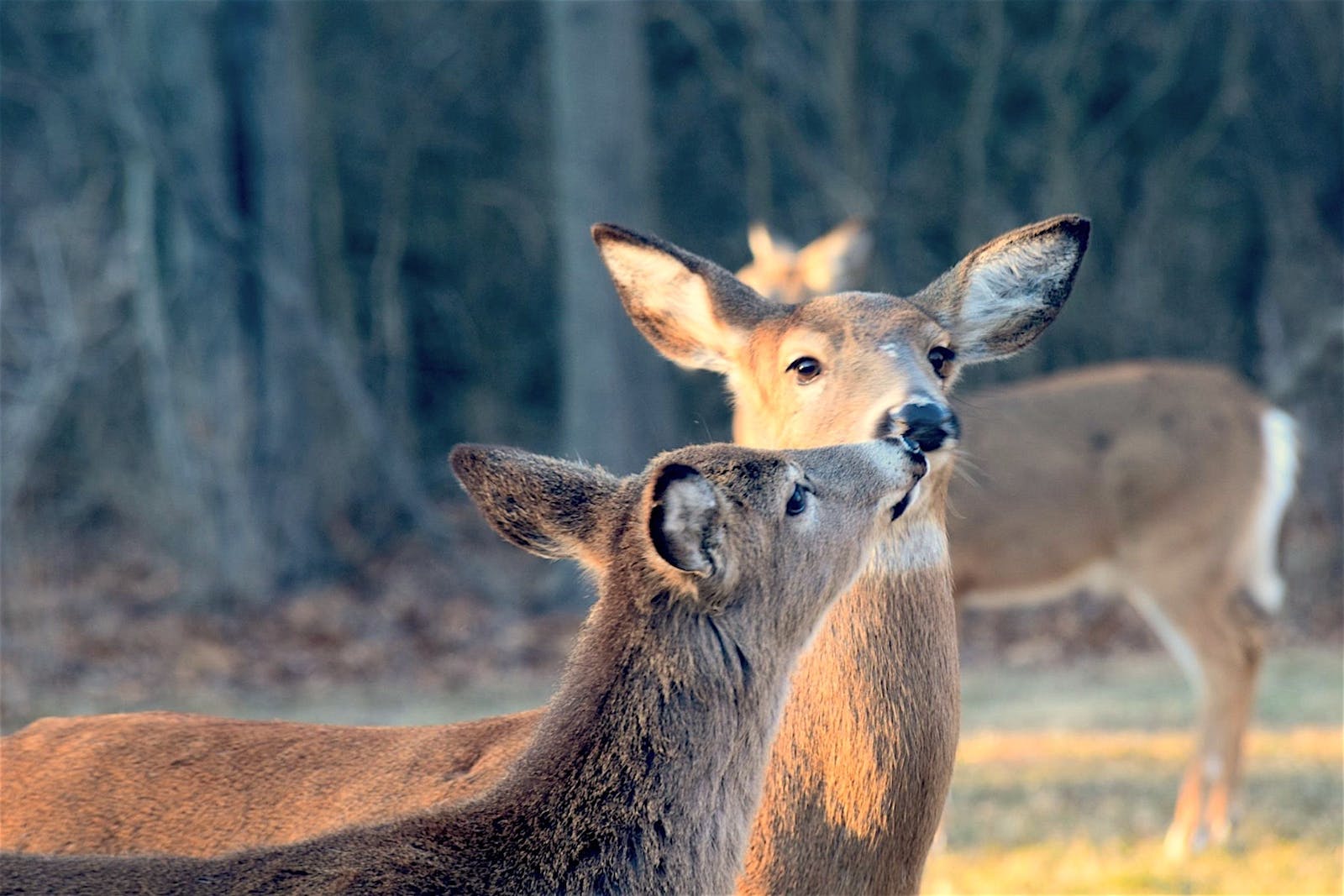
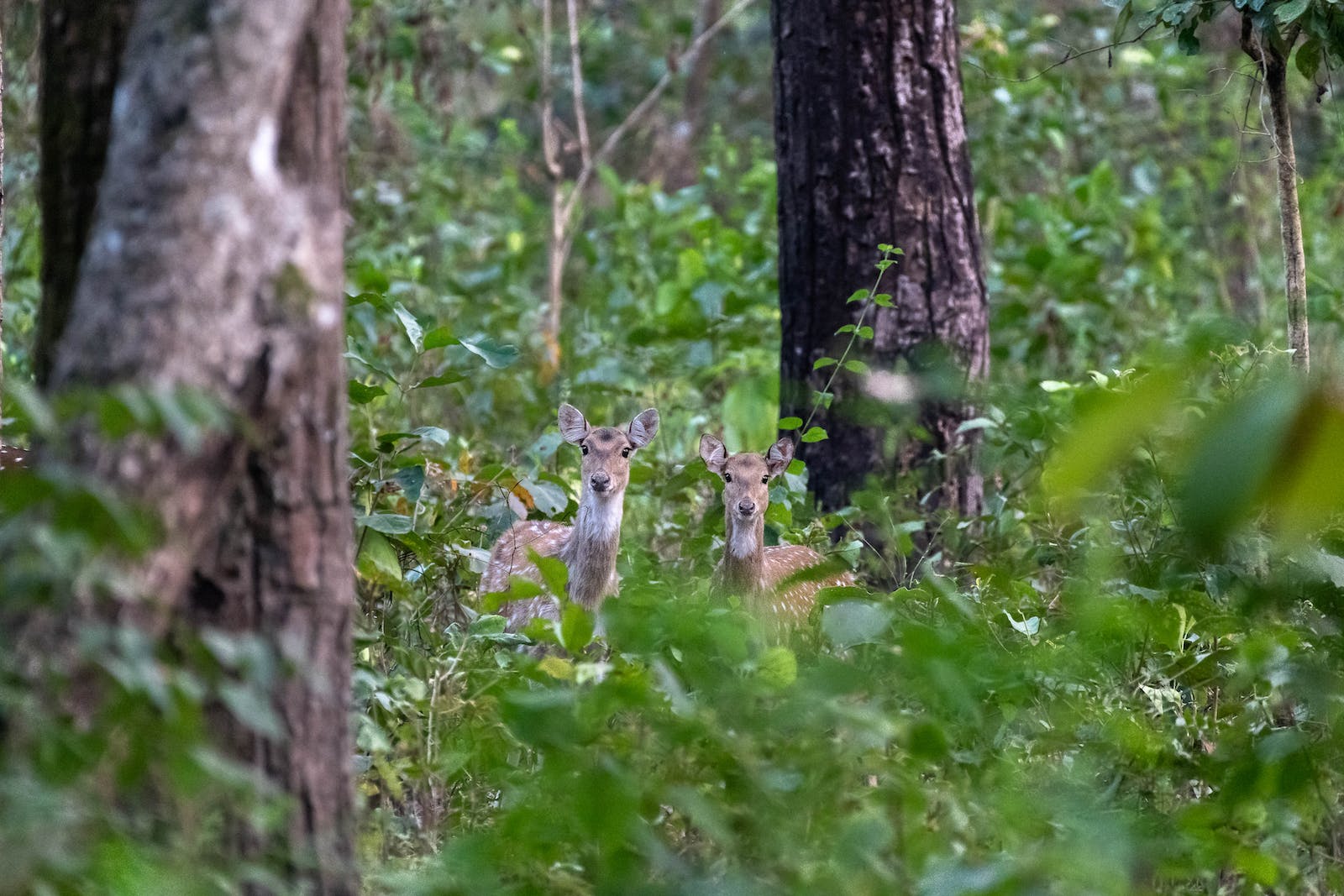
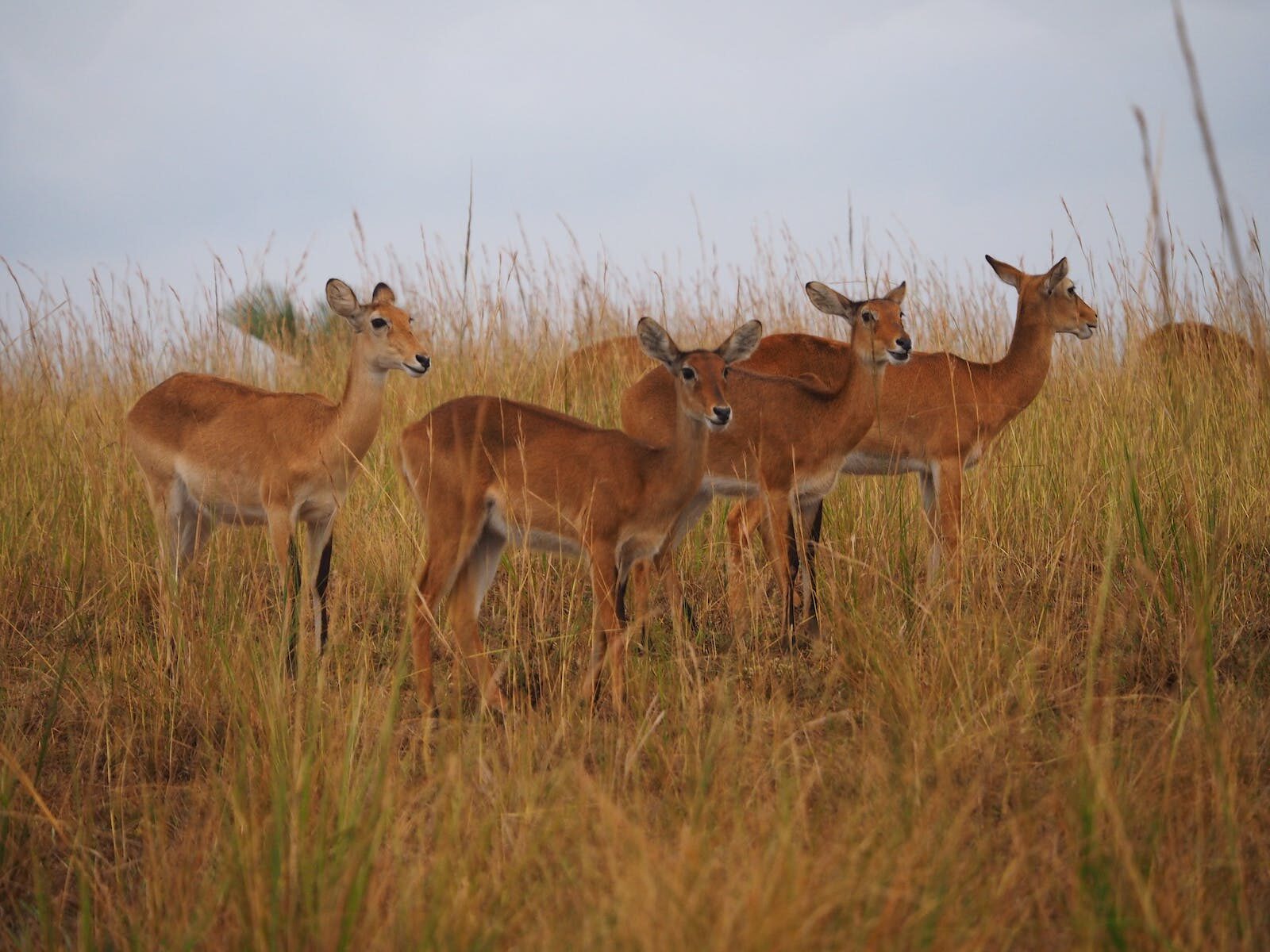
The other day in the early morning, I was going up the outside steps to the entrance of the building where I live when I saw two deer walking along a nearby nature trail.  I watched them for a couple of minutes, and just as I was about to take another step toward the door, another deer came along the path.  And a few seconds after that, a fourth deer appeared.  I again took in the scene for a few minutes before entering the building.

Life gives us unexpected gifts.  Seeing the deer was one of those gifts.  I usually see two or three deer a year, which is also special each time I see one, but to see four in the space of a few minutes was a first for me.  I felt peaceful seeing them in the quiet morning and also seeing the tall grasses and the lake behind them which added to the peaceful scene.  Many of us, including me, have busy lives.  In a way, this occurrence gave me a few minutes to have a break from being busy.  It also served as a connection to nature which adds to our physical and emotional wellbeing.

In addition, my seeing this scene is an example of a synchronicity—a meaningful acausal experience.  Deer are in the traditional stories and mythologies of people around the world, for they live on almost every continent.  Some of the aspects they symbolize are compassion, gentleness, vulnerability, awakening, and blessings.  If a deer would be in a dream I had, I would ponder these symbolic qualities to try to discern the dream’s message for me.  We can do the same with synchronicities.  In fact, the entire incident had a dreamlike quality to it.

Becoming more compassionate and gentle people would make our world a better place for all of us.  Being aware of our vulnerabilities adds to our self-knowledge and enables us to better approach certain situations.  When I think of awakening, I think of spiritual awakening and growing in faith.  And acknowledging our blessings from our Creator and being thankful for them are part of living in faith.

Try to notice such unexpected gifts and their possible messages.  It is another way to live a more meaningful life.

Living Our Lives Symbolically

“When we learn to read our lives symbolically rather than literally, new vistas open to us.  This world, the world of ordinary life, once again becomes ensouled, mysteriously interconnected, meaningful, and fascinating.”

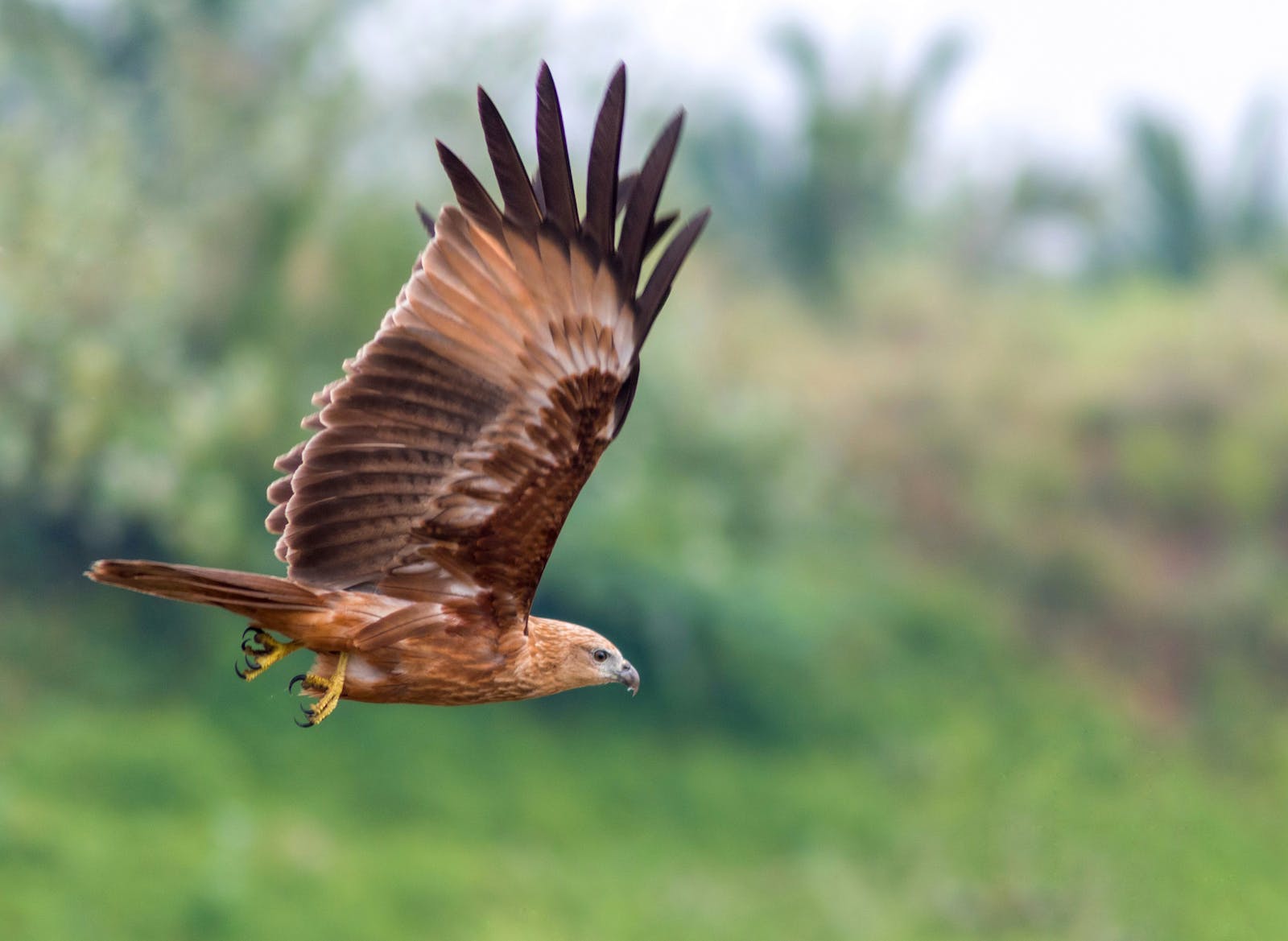
This quote by Robert Johnson appears in his book Living Your Unlived Life.  Johnson was a Jungian analyst, author, and presenter, and a man of wisdom.  I recently had an experience that exemplifies the significance and specialness of “reading our lives symbolically.”  I was walking on a trail in a nature area, and for several seconds a hawk flew above and a few feet ahead of me, flying in the same direction as I was walking.  This happening in itself would have been meaningful to me in that it showed a connection between nature and me.  It was even more meaningful, however, because something similar occurred in the past and I intuitively felt the connection between the two experiences.

Twenty-eight years ago I attended a week-long retreat where the focus was on Jungian psychology and spiritual growth and the interconnection between them.  Some of the authors who have most influenced my life path and the life paths of many other people have written about this interconnection, one of those authors being Robert Johnson.  At the retreat there were group sessions and individual sessions with the facilitator who was a Jungian psychotherapist, as well as unscheduled time when those of us attending could reflect, journal, and spend time in the nature area that surrounded the facility where the retreat took place.

One afternoon as I was walking along a trail through the woods, a hawk appeared and flew a few feet ahead of me.  There were tall trees on either side of the trail, and the hawk flew above the trail and in the same direction I was walking for several minutes.  It surprised me that it flew along the trail for as long as it did; I would have expected it to fly off in a different direction sooner.

I shared this experience during an individual session with the retreat facilitator, and we talked about how this occurring was a synchronicity having to do with following my life path.  Looking at what happened symbolically gave me reassurance that I’ll have inner direction that will help me to do that, as represented by the hawk seeming to lead me.  We talked about how the hawk could be considered my spirit animal.  According to certain spiritual traditions, spirit animals carry wisdom, meaning, and power.

The similarity of a hawk appearing to lead me both recently and 28 years ago was meaningful for me, once again a reminder of the assistance we receive as we travel our individual life paths.  Over the years, I have seen hawks from time to time and when I see them I have been reminded of that first occurrence and what it symbolized.  My recent experience adds another layer of significance.

The Creator speaks to us in many ways.  Reading our lives symbolically, as Johnson says, is one of those ways.